When TikTok sets the agenda before your crisis team
The viral Miami La Quinta virtual check in clip is now a textbook case in hotel crisis communication for the hospitality industry. Within days, the original TikTok by creator @theonlylivinggirl passed two million views and migrated from social media feeds into mainstream media coverage, including New York Post Lifestyle reporting on the incident in early March 2024, while the brand’s official response stayed largely offstage. For reputation managers and hotel general managers, the lesson is clear: if you do not shape the narrative in the first 24 hours of a hotel crisis, guests and media will do it for you.
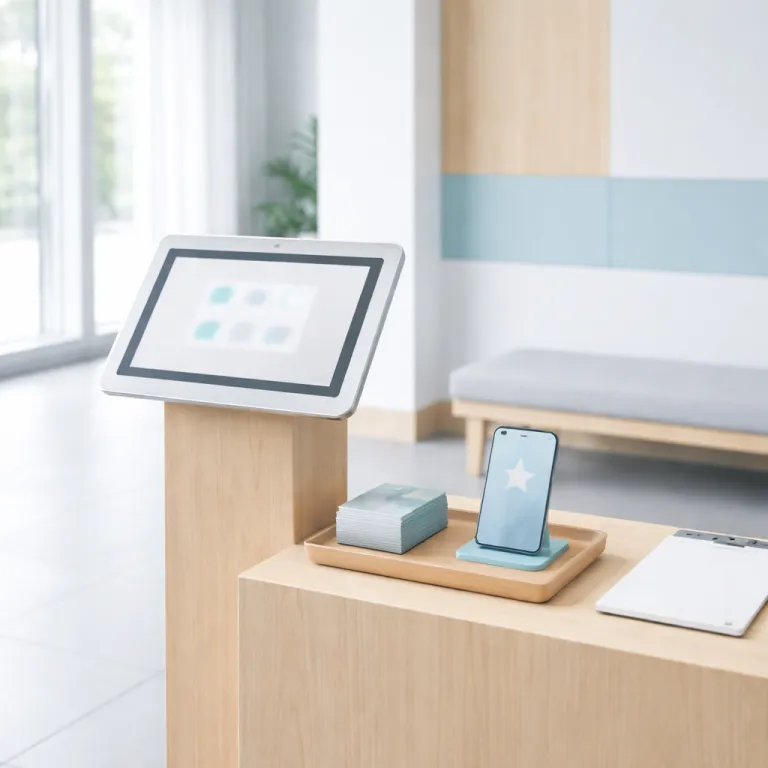
The clip did not just question one hotel’s front desk plan, it challenged the wider management hospitality mindset that treats reception as a cost line instead of a core guest dignity touchpoint. Viewers saw a guest talking to a screen in an empty lobby, and interpreted this as a symbol of distance, not innovation, which turned a technology decision into a full blown crisis communications problem for hotels experimenting with virtual desks. Wyndham’s public posture so far, summarised in brief statements to media that the system is in a “pilot phase” at select properties and subject to ongoing review, has left a visible gap where a detailed crisis response and transparent management plan could have clarified intent, guest safeguards and evaluation criteria.
For hospitality businesses, the timeline matters more than the technology, because crises now unfold in hours, not days, across platforms where guests, staff and influencers remix the story in real time. Bryghtpath’s crisis management research on social media expectations, published in its 2023 “Social Media & Crisis Communications” briefing, notes that around 73% of surveyed users expect brands to respond within 24 hours of a crisis, which sets a hard expectation for any hotel crisis playbook. When a clip hits seven figures in views, is embedded in lifestyle media coverage, and prompts comment sections full of guest anecdotes about other hotel crises, silence from the business reads as confirmation, and that perception can outlast the original crisis by shaping long term trust in the brand.
What a 24 hour response plan should have looked like
A prepared hotel crisis communication plan would have activated a dedicated crise communication team in the first hour, with roles defined well before any incident. In many hotels this équipe includes a crisis communication team coordinator, the hotel manager as spokesperson, and a public relations officer as media liaison, each trained to protect guest safety while safeguarding the business reputation. Their first task in any crisis management scenario is to gather verifiable facts, align on a clear narrative, and issue a holding statement that acknowledges guest concerns, references the specific incident (for example, the Miami La Quinta virtual front desk), and avoids speculating on causes or assigning blame.
By hour six, an effective crisis response for the Miami La Quinta situation would have moved from holding lines to operational detail, explaining how guests and staff are being supported and how safety, dignity and service standards are being maintained. This is where management hospitality leaders should have reframed the story away from cost cutting and towards guest choice, outlining options for human check in, accessibility needs, and escalation paths when technology fails. A well structured management plan would also have briefed on site staff so that every guest facing team member could answer questions consistently, avoiding the damaging gap between polished corporate communication and confused front line responses that many reviewers highlighted in comments and follow up posts.
By hour 24, a mature crisis management approach in the hospitality industry would have published a more detailed Q and A, clarified whether the virtual front desk is a pilot or a permanent feature at the Miami property, and committed to a review based on guest feedback, operational data and incident logs. This is where hotel crisis leaders can reference best practices from other crises, including health crises or natural disasters, to show they understand business continuity and guest psychology, not just technology. As crisis consultant Bryan Strawser of Bryghtpath has argued in interviews about hospitality incidents, “guests will forgive disruption faster than they will forgive silence,” which underlines why post crisis reporting on lessons learned, staff training updates, and any long term changes to the plan is now expected, not optional.
Illustrative 24 hour crisis communication timeline for hotels
- 0–1 hour: Activate crisis communication team, confirm facts, draft and internally approve a short holding statement.
- 1–3 hours: Publish the holding line on core channels, brief front desk and duty managers, and log all decisions and timestamps.
- 3–6 hours: Share initial operational measures (staffing changes, alternative check in options, safety checks) and open a dedicated guest contact channel.
- 6–12 hours: Monitor social media and review platforms, correct misinformation, and update FAQs as new questions emerge.
- 12–24 hours: Release a more detailed Q and A, outline review and audit steps, and schedule the next public update to avoid information vacuums.
From viral outrage to operational change and review recovery
The strategic question behind the Miami La Quinta backlash is not whether virtual check in can work, but whether the front desk is treated as a brand touchpoint or a pure cost centre. In a sector where guest sentiment studies consistently show that a large majority of travellers expect clear communication during crises, as summarised in Hospitality Net’s 2022 and 2023 roundups of crisis planning surveys, any decision that removes people from the lobby is automatically a crisis communication decision as well as an operational one. When guests feel abandoned in an empty lobby, the hotel crisis does not stay local; it travels through reviews, ratings and social media narratives that influence future business across entire hotel groups and franchise portfolios.
Sentiment shift detection is where tools like ReviewPro, TrustYou alerts and broader social listening platforms become central to crisis communications and review recovery. A Monaco luxury hospitality group reported in European hospitality conference materials in 2023 that it cut measurable brand damage by around 30% during a reputational incident by deploying targeted guest communications within hours, guided by a real time sentiment dashboard that tracked spikes in negative mentions and specific pain points. For management hospitality leaders, this kind of data driven crisis response allows the team to prioritise which guests to contact first, which channels to use, and how to adapt staff training so that operational fixes, not scripted apologies, drive the post crisis rating rebound and support long term business continuity.
Across hospitality businesses, the most effective crisis communication strategies treat crises as moments to prove values, not just protect KPIs, and they link every public response to a concrete operational change that guests can feel on property. Hotels that integrate crisis management into daily routines, from regular drills with local authorities to scenario based staff training on social media blowups, build resilience that supports both immediate safety and long term business continuity. When the next hotel crisis hits, the brands that will retain trust are those whose équipes can move from alert to aligned message to visible action within 24 hours, turning a potential reputational free fall into a controlled, transparent course correction that guests, staff and media can verify.
Key figures on hotel crisis communication and guest expectations
- Industry commentary on Hospitality Net’s coverage of crisis planning surveys suggests that roughly 60% of hotels currently operate with a formal crisis communication plan in place, leaving a significant share of the industry exposed when crises escalate online.
- Multiple guest sentiment studies summarised by Hospitality Net indicate that close to 90% of guests say they expect clear and timely communication during crises, a gap that becomes highly visible when social media narratives move faster than official hotel statements and when properties fail to provide basic updates on safety, service changes or compensation.
- Over two million views on the original Miami La Quinta virtual check in TikTok transformed a single property incident into a brand level debate within days, as documented in New York Post Lifestyle’s early March 2024 reporting on the video and its comment thread.
- Research from Bryghtpath, highlighted in its 2023 “Social Media & Crisis Communications” briefing, shows that approximately 73% of social media users expect brands to respond within 24 hours of a crisis, effectively defining the response window for hotel crisis communication teams and shaping guest expectations for first statements and follow up Q and A.
- A Monaco luxury hospitality group reported at European hospitality conferences in 2023 that it reduced measurable brand damage by about 30% during a reputational incident by using a real time sentiment dashboard to trigger targeted guest communications within hours.
Questions hospitality leaders are asking about hotel crisis communication
What is hotel crisis communication?
What is hotel crisis communication? Managing information during hotel emergencies in a way that guests and stakeholders can later verify. In practice this means coordinating messages across social media, direct guest channels and traditional media so that guests, staff and local authorities receive consistent, accurate updates. For a general manager, it is the discipline that links operational decisions, such as virtual check in or evacuation procedures, with the words, tone and documented timelines that will shape guest trust during and after crises.
Why is crisis communication important for hotels?
Why is crisis communication important for hotels? To ensure safety and protect reputation in a transparent, accountable way. When a hotel crisis unfolds, from health crises to natural disasters or viral social clips, guests judge the brand on how quickly and clearly it communicates, not only on the original incident. Strong crisis management and communication protect business continuity, reduce cancellations and chargebacks, support faster review recovery in the post crisis phase, and provide a clear record of what was said, when, and by whom if regulators or journalists later review the response.
How can hotels prepare for crises?
How can hotels prepare for crises? Develop plans and train staff using realistic scenarios. Preparation starts with a written management plan that defines roles, approval flows and channel priorities for different types of crises, including operational failures and social media storms. Regular staff training, simulations with the crisis communication team and coordination with local authorities ensure that when a real hotel crisis hits, the équipe can execute rather than improvise, and that every statement, from the first holding line to the final review of lessons learned, is grounded in facts and documented decisions.
What channels are used in hotel crisis communication?
What channels are used in hotel crisis communication? Email, social media, press releases and on property updates. In the hospitality industry, effective crisis communications also rely on on property signage, direct messaging through booking platforms, and proactive outreach to key corporate clients and travel partners. The choice of channel depends on the crisis type and the guests affected, but the principle remains the same: one clear message, adapted in format, across every touchpoint, with timestamps and content that can be traced back to an agreed crisis communication plan.
Who handles crisis communication in hotels?
Who handles crisis communication in hotels? Designated crisis communication team members with clear authority. Typically this includes the general manager or hotel manager as spokesperson, a public relations officer to manage media response, and operational leaders who can translate communication promises into concrete actions for guests and staff. In larger hotels and groups, this team will also coordinate with corporate communications, legal advisers and external agencies to align local response with brand wide standards and best practices, ensuring that statements about incidents like the Miami La Quinta virtual check in are consistent across properties and channels.
Sources
- Hospitality Net (industry survey summaries on crisis planning and guest expectations, 2022–2023)
- Bryghtpath, “Social Media & Crisis Communications” briefing (2023)
- New York Post Lifestyle (coverage of the Miami La Quinta virtual check in TikTok and comment thread, March 2024)
- Conference case material from a Monaco luxury hospitality group (European hospitality events, 2023)
