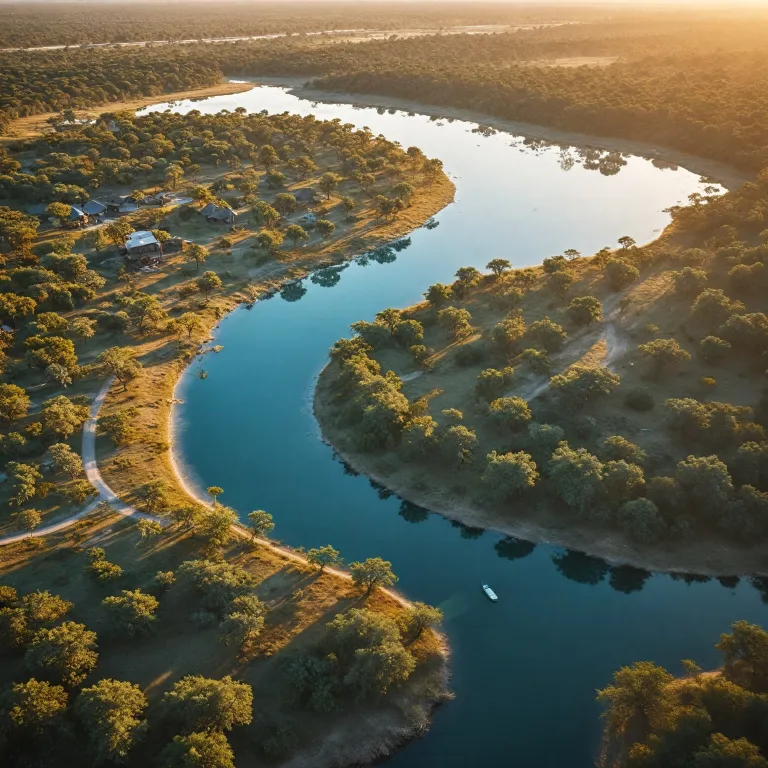
From sabi sands map 2025 to hospitality trust architecture
Thinking like a cartographer of trust is increasingly vital for hospitality leaders. A detailed mental sabi sands map 2025 style of framework helps reputation managers navigate reviews, guest journeys, and platform dynamics with precision. Just as a physical map sabi guides travellers through a complex game reserve, a structured trust map guides teams through fragmented feedback ecosystems.
In South Africa, the Sabi Sands Game Reserve adjacent to Kruger National Park shows how clarity of territory builds confidence. Guests rely on a full and accurate map kruger style of overview to understand every camp, every gate, and the entire area before booking. In the same way, a hotel group or private game lodge needs a created map of all touchpoints where reviews emerge, from OTAs to messaging apps.
On a safari, visitors study maps of the sand river, shaws gate, newington gate, and gowrie gate to plan game drives and manage time. Reputation leaders should mirror this discipline, charting each review platform, each rating flow, and each escalation gate newington style of process. Without such maps, even a prestigious brand can feel as disoriented as a guest entering a vast game reserve without signage.
The sabi sands region also illustrates how unfenced borders with Kruger National Park mirror porous boundaries between platforms. Comments cross from one national park scale platform to another, just as wildlife moves between Kruger park and the private game reserve. A modern sands map of trust must therefore integrate social media, metasearch, and direct channels into one coherent, navigable landscape.
Plotting the reputation terrain like a private game reserve
Reputation, like wildlife, rarely respects artificial borders between brands and platforms. In the Sabi Sands Game Reserve, lions, leopards, and elephants roam freely between sabi sand sectors and the broader kruger national ecosystem. Similarly, guest sentiment moves fluidly between review sites, messaging threads, and social feeds, demanding a sabi sands map 2025 mindset from hospitality teams.
On a physical safari, a precise sands game overview helps guides anticipate where a pride of lions might cross the sand river. In digital reputation management, a similarly detailed sands map of platforms helps teams anticipate where a negative review might surface or a positive story might gain traction. Mapping these flows allows marketing and e-reputation managers to allocate time and resources with the same care as rangers planning game drives.
Consider how a camp in south africa uses a latest map sabi to brief guests on safety, routes, and wildlife corridors. Hotels and independent lodges should provide their teams with equally updated maps of internal processes, escalation paths, and platform rules. When everyone understands the full area of responsibility, from first contact to post-stay surveys, response quality and speed improve measurably.
In this sense, each property becomes a private game laboratory for trust, where data from reviews is tracked like animal movements on detailed maps. The goal is not surveillance but stewardship, ensuring the entire guest experience within the reserve of your brand feels coherent. A well created map of feedback loops turns scattered comments into a structured, navigable reputation landscape.
Gateways, corridors, and the new cartography of review platforms
Every review platform functions like a gate into your brand’s reputation reserve. In the Sabi Sands region, shaws gate, newington gate, and gowrie gate regulate access between the game reserve and the surrounding kruger park. In hospitality, OTAs, Google, and specialist platforms act as equivalent gates, each with its own rules, traffic patterns, and expectations.
A sophisticated sabi sands map 2025 style of framework treats these platforms as interconnected corridors rather than isolated silos. Just as a map sabi shows how the sand river links different camps, a reputation map shows how a review on one site can influence search visibility and pricing on another. Understanding these flows allows marketing directors to prioritize which gates to staff most intensively with trained response teams.
In south africa’s safari sector, guests study maps to choose between a camp near the river or deeper inside the reserve. Similarly, guests compare review scores and narratives across multiple maps of platforms before committing to a booking. Reputation leaders should therefore maintain a latest sands map of their presence, ensuring consistency of brand story, imagery, and responses across the entire area of visibility.
When platforms change algorithms, introduce new badges, or adjust review weighting, it resembles a new road opening near a national park. A proactive team will update its created map of the ecosystem, re-evaluating which gates now drive the most qualified traffic. This cartographic discipline transforms reactive firefighting into strategic navigation of the evolving review landscape.
From big five to big five-star : mapping sentiment like wildlife
Safari guides in Sabi Sands Game Reserve track the Big Five with almost cartographic precision. They know where a lion pride tends to rest, which bend of the sand river attracts elephants, and how seasonal changes shift movements across the entire reserve. Reputation managers can adopt the same discipline, using a sabi sands map 2025 style of sentiment tracking to locate recurring praise and pain points.
On a physical map kruger style of overview, each sighting is logged with time, area, and behaviour. In hospitality, each review should be tagged with stay dates, channel, segment, and operational theme, creating a full sands map of sentiment. Over time, these maps reveal patterns as clear as game trails, highlighting where service failures cluster and where exceptional experiences consistently occur.
In the safari context, the quote “What is the best time to visit Sabi Sands? Are there malaria risks in Sabi Sands? What wildlife can be seen in Sabi Sands?” reflects how guests seek precise, trustworthy information before entering a private game reserve. Similarly, travellers evaluating a camp, a city hotel, or a resort want transparent, consistent answers about safety, cleanliness, and value. Platforms that curate and present this information clearly become as essential as a reliable map sabi for first-time visitors.
For hotel groups and independents, building a created map of sentiment across platforms is as strategic as mapping wildlife corridors in a national park. It allows teams to anticipate where reputational risk might migrate next, especially when issues in one property spill into perceptions of the entire brand. This wildlife-inspired cartography turns abstract scores into concrete, actionable terrain.
Designing trusted review platforms like a well-run game reserve
A credible review platform should function like a responsibly managed game reserve in south africa. In Sabi Sands, the unfenced boundary with Kruger National Park requires rigorous governance to balance tourism, conservation, and community interests. Similarly, platforms must balance guest expression, brand protection, and public trust, guided by a clear sabi sands map 2025 style of policy framework.
Just as a reserve uses a latest sands map to manage vehicle density along the sand river, platforms should monitor traffic and detect abnormal review patterns. A created map of suspicious activity, from sudden rating drops to coordinated praise, helps maintain integrity. This cartographic approach protects both guests and operators, much like access controls at shaws gate or gowrie gate protect wildlife and visitors.
For brands, participating in these ecosystems resembles operating a camp within a larger game reserve. You control your immediate area, but the broader maps and rules are set by the platform, just as Kruger national authorities regulate the wider kruger park. Building strong relationships with platforms, sharing data, and co-creating standards can improve the full sands map of trust for the entire sector.
Independent lodges and hotel groups alike should audit where their properties appear across maps of platforms, from global OTAs to niche review sites. Maintaining accurate information, timely responses, and coherent imagery across this entire area is equivalent to keeping signage, roads, and viewing points updated in a physical reserve. The more navigable your digital territory, the easier it becomes for guests to reach the right decision with confidence.
Strategic implications for hospitality leaders inspired by sabi sands
Adopting a sabi sands map 2025 mindset has concrete implications for e-reputation and marketing teams. First, leaders should commission a literal created map of their review and feedback ecosystem, listing every gate, every camp-like property, and every river of sentiment. This visual tool becomes the equivalent of a detailed sands game chart used by rangers before each drive.
Second, organisations should define clear governance for each gate, mirroring how shaws gate, newington gate, and gowrie gate have distinct operational protocols. Decide who responds where, within what time, and with which escalation paths, then update this governance on a latest sands map shared across teams. Treat each platform like a different sector of a private game reserve, with tailored yet coherent rules.
Third, integrate insights from reviews into broader commercial and brand strategies, not just service recovery. A full map kruger style of dashboard that overlays sentiment with pricing, occupancy, and channel mix can reveal powerful correlations. Resources such as this analysis of how trusted reviews reshape lodging strategies (trusted reviews in hospitality) can help benchmark best practices.
Finally, remember that trust, like wildlife, thrives in healthy, connected ecosystems. By treating platforms, properties, and guest journeys as parts of one interconnected map sabi of reputation, leaders can move from reactive management to proactive stewardship. In doing so, they honour the same principles that make Sabi Sands Game Reserve and the wider kruger national landscape a model for sustainable, guest-centric experiences.
Key quantitative insights for reputation and trusted platforms
- Sabi Sands style private reserves can extend over 65 000 hectares, illustrating the scale of complex experience ecosystems that reputation teams must map and govern.
- Safari destinations operating year-round demonstrate how always-on review flows require continuous monitoring, not seasonal campaigns.
- Partnership models between private game reserves and national park authorities offer a quantitative benchmark for shared governance between brands and review platforms.
- Guided game drives and walking safaris show how structured, data-informed journeys can coexist with spontaneous, guest-led experiences within one mapped framework.
Key questions hospitality leaders also ask about trust and mapping
What is the best time to focus on review management efforts ?
For most properties, the optimal time mirrors peak booking and stay periods, when review volume and visibility are highest. However, like wildlife viewing in Sabi Sands, off-peak monitoring can reveal patterns that peak-season noise obscures. Continuous, year-round attention ensures no critical signal is missed.
Are there specific risks when relying heavily on a single platform ?
Concentrating reputation on one dominant platform resembles depending on a single access gate to a game reserve. Any algorithm change, policy shift, or outage can disproportionately affect visibility and demand. Diversifying presence across platforms spreads risk and strengthens overall resilience.
What types of guest feedback should be prioritised for operational change ?
Focus first on recurring, high-impact themes that affect safety, cleanliness, and core service delivery. These issues shape trust as profoundly as wildlife density shapes perceptions of a game reserve. Once these are addressed, refine secondary elements such as amenities, design, and ancillary services.
How can independent properties compete with large groups on review platforms ?
Independents can leverage agility, authenticity, and deep local knowledge to stand out. By mapping their unique strengths and consistently highlighting them in responses, they create a distinctive territory within crowded platforms. Thoughtful engagement often outweighs sheer volume of reviews.
What role should on-site teams play in managing online reputation ?
On-site teams are the equivalent of field rangers, closest to real guest experiences. Their observations and direct interactions should feed into central reputation maps, informing both responses and strategic decisions. Training them to capture and relay insights systematically is essential for accurate, actionable cartography.
