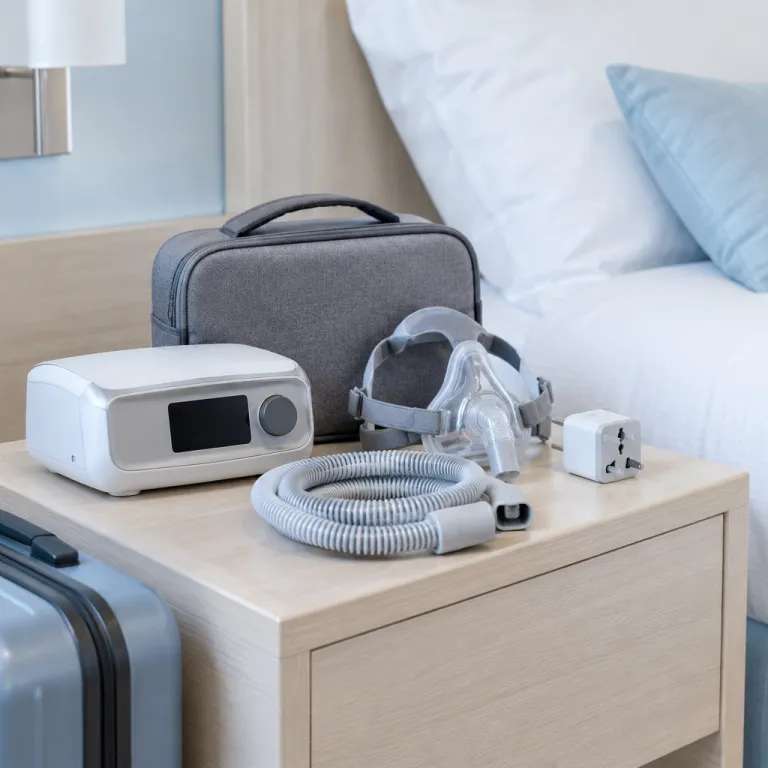
From air travel with a CPAP device to hospitality expectations
Guests who manage sleep apnea and fly with a CPAP machine arrive with heightened expectations. Their experience of air travel with CPAP equipment, strict airline rules, and limited seat power during a long flight time shapes how they judge every later service interaction. When they have spent hours of flying with a battery powered CPAP device in cramped airline seats, they land expecting hotels to understand medical needs as well as airlines understand safety.
For responsables e-réputation and guest relations teams, this context matters. A passenger who has navigated contact with an airline about medical devices, checked whether flight CPAP use is allowed, and calculated airline hours against CPAP batteries capacity is already in a compliance mindset. When such travellers reach the front desk with CPAP machines in their baggage, they instantly notice whether staff offer proactive assistance or leave them to struggle with power outlets and equipment placement.
Review platforms now capture detailed narratives about travel time, duration of the flight, and how well hotels close the loop after difficult journeys with CPAP therapy. Comments often mention how a property handled late arrivals after hours flight segments, or whether night staff knew how to support guests flying with sensitive medical equipment. For marketing directors and independent hoteliers, these reviews are not marginal; they are signals about service readiness for a growing segment of health focused travellers.
How CPAP constrained journeys influence online reviews and ratings
When a traveller spends the night before check in on a long flight with CPAP device support, every friction point is amplified. They may have carried a CPAP machine as dedicated medical baggage, protected batteries for safety, and followed airline instructions about not relying on seat power during the duration of the flight. By the time they reach the lobby, their tolerance for avoidable obstacles is extremely low.
Guest feedback shows a clear pattern: if the hotel ignores visible CPAP equipment or offers no assistance, ratings drop sharply. Travellers compare the clarity of airline policies about medical devices with the vagueness of some hotel procedures, and they mention this contrast in reviews on major platforms. They describe how they had to contact the airline in advance, secure written confirmation for flight CPAP use, and yet received no similar reassurance from the property before arrival.
For review managers, this is a strategic opportunity to lift scores by roughly 0.3 to 0.7 points over two seasons through operational changes rather than marketing promises. This range is consistent with internal benchmarking reported by several large chains that linked sleep-related amenities to review scores, even though exact figures vary by brand and market. Detailed responses that reference air travel with CPAP realities, such as limited airline hours of onboard power or the need for extra battery power, show empathy and technical understanding. Case studies on the operational shift that lifts review scores demonstrate that when hotels align service standards with the rigour of airlines, trust and ratings both rise.
“Can I bring CPAP as carry-on without using in flight?” and “Is onboard power guaranteed?” are the kinds of questions guests already asked their carrier long before they reached your booking engine. When your reply templates echo this language and acknowledge that onboard power is not guaranteed so guests bring batteries covering at least 150% of full travel time, your brand voice feels aligned with their lived experience. This 150% guidance appears in several major airline policies for portable medical devices, including examples from carriers such as American Airlines and Lufthansa, and it has become a practical benchmark for many travellers. That alignment is what transforms a functional stay into a five star review about feeling genuinely understood.
Designing service excellence protocols for guests travelling with CPAP machines
Customer service excellence for this audience starts with precise, repeatable protocols. Front desk and night audit teams need clear steps for welcoming guests who arrive flying with CPAP devices and other medical equipment after long airline journeys. These protocols should cover everything from discreetly asking about power needs to offering assistance with room changes when the original layout does not suit a CPAP machine.
Training should include practical demonstrations using real CPAP machines, travel cases, and sample CPAP supplies so staff recognise the equipment instantly. Teams must understand why some guests will request specific seat power like sockets near the bed, stable bedside tables for CPAP devices, and quiet rooms after exhausting hours flight segments. When staff can explain that the hotel understands airline rules about medical devices and is ready to help, they turn a potential complaint into a moment of reassurance.
Night audit checklist for CPAP-sensitive arrivals
- Review arrivals list and flag guests who mentioned CPAP therapy or medical devices in pre stay notes.
- Pre-check that assigned rooms have accessible outlets near the bed and space for CPAP machines.
- Prepare extension cords and, where available, power strips for late check in guests.
- At check in, discreetly confirm whether the guest needs help setting up their CPAP device.
- Offer a quiet room option when possible, especially after long haul flight segments.
- Note any specific preferences in the PMS so day teams can follow up proactively.
Linking these behaviours to measurable KPIs is essential for marketing and operations leaders. Tools that connect front line training investment to measurable review improvements show that even small gestures, such as offering extra extension cords for CPAP batteries or flexible check in times after a difficult flight CPAP experience, have outsized impact on ratings. A structured staff empowerment score helps identify which teams consistently anticipate needs related to air travel with CPAP and which still react only after a guest raises an issue.
Pre stay communication and omnichannel contact strategies for CPAP users
Guests who manage sleep apnea rarely book a trip without planning every step of air travel with CPAP in detail. They calculate flight time, check whether their CPAP device is approved as a medical machine, and often contact the airline to confirm rules about batteries and in cabin use. When hotels mirror this level of preparation in pre stay communication, they signal that guest health and comfort are taken seriously.
Omnichannel strategies should integrate questions about CPAP therapy and other medical devices into confirmation emails, messaging apps, and call centre scripts. A simple prompt asking whether the guest is flying with CPAP equipment and needs assistance with power access or baggage handling can transform the tone of the relationship. This approach echoes how airlines invite passengers to request medical assistance in advance, and it reassures travellers that the property understands constraints such as limited airline hours of onboard power.
Copy-ready pre stay confirmation template
“We know many of our guests travel with medical devices such as CPAP machines. If you are flying with CPAP equipment or other assistive devices and need specific room arrangements (for example, power outlets near the bed, extra extension cords, or a quieter room after a long flight), please let us know before your arrival. Our team will do its best to prepare your room so you can rest comfortably from the moment you check in.”
Centralised phone numbers and messaging hubs play a crucial role in building this trust. When a main phone line anchors trusted omnichannel guest reputation, it becomes easier for CPAP users to share details about their machines, CPAP batteries, and expected arrival time after a long duration of the flight. Consistent answers across channels about extension cords, quiet rooms, and late check in after complex flights with CPAP machines reduce anxiety and lead to more positive reviews about responsiveness and care.
Aligning hotel infrastructure with the realities of air travel with CPAP
Infrastructure decisions often lag behind guest health trends, yet sleep apnea is now common among frequent flyers. Many travellers arrive after a long flight with CPAP device support, having relied on battery power because airlines do not guarantee seat power for the entire duration of the flight. When they reach their room, they expect the property to be at least as prepared as the airline that classified their CPAP machine as essential medical equipment.
Room design audits should therefore include a specific checklist for CPAP therapy users. This includes verifying that there are accessible power outlets on both sides of the bed, enough space for CPAP machines and CPAP supplies, and cable routing that does not create trip hazards during the night. Properties that host many international guests flying with medical devices should also consider labelling sockets clearly and providing adapters, since travellers may have used universal power solutions on the aircraft.
Room power and layout checklist (visual guide)
- At least one easily reachable outlet within one metre of each side of the bed.
- Stable bedside surface large enough for a CPAP device and CPAP supplies.
- Cables routed so guests do not step over them when getting in and out of bed.
- Clear labelling of voltage and plug type, especially in international properties.
- Availability of extension cords and, where safe, surge-protected power strips.
Operations teams can go further by mapping typical airline hours and peak arrival times for long haul routes that bring CPAP users to the property. Knowing that many guests land after overnight hours flight segments helps justify staffing levels at reception and in room service. When a tired traveller who has protected their CPAP batteries through security and carried the machine as medical baggage finds a room ready with appropriate power access, they often mention this detail in reviews as a sign of rare operational empathy.
Turning CPAP related experiences into reputation assets on review platforms
Reputation leaders who treat CPAP related experiences as marginal miss a powerful differentiation lever. Guests who manage sleep apnea and travel with CPAP equipment are vocal, detail oriented reviewers who compare every stage of their journey, from contact with the airline to check out. When a hotel anticipates their needs as carefully as airlines manage flight CPAP policies, these guests become advocates who educate others through long form reviews.
Response strategies on review platforms should therefore reference the concrete realities of air travel with CPAP. When thanking a guest for feedback, mentioning their effort in managing CPAP batteries during a long flight time or navigating security with medical devices shows that the hotel understands the full travel context. This level of specificity contrasts with generic replies and signals that the property values the extra time and planning required for flying with a CPAP device.
Example review response for a CPAP-related stay
“Thank you for sharing your experience and for trusting us with your stay after a long journey with your CPAP device. We know that travelling with medical equipment, managing batteries during the duration of the flight, and passing additional security checks can be demanding. Our team is pleased to hear that the room layout and power access made it easier to set up your CPAP machine on arrival. We have shared your comments with our night staff as a reminder of how important these details are for guests who rely on CPAP therapy, and we look forward to welcoming you back for another comfortable night’s sleep.”
Marketing teams can also curate user generated content that highlights how the property supports guests after complex journeys with CPAP machines. Stories about staff helping to set up equipment after late airline arrivals, providing extra battery powered options during local power cuts, or coordinating with medical assistance services resonate strongly with health conscious travellers. Over time, these narratives reposition the hotel as a trusted partner in the broader ecosystem of airlines, airports, and healthcare providers that enable safe, comfortable travel for people living with sleep apnea.
Key figures on CPAP use, air travel, and guest expectations
- Many airlines require passengers who plan to use a CPAP machine in flight to provide up to 48 hours advance notice, which sets a benchmark for how early hotels should invite guests to share medical equipment needs. This timing is consistent with pre-travel medical notification windows described in several major carrier policies, including examples from airlines such as Delta Air Lines and Qantas.
- Guidelines from major carriers recommend that CPAP batteries cover at least 150% of the total travel time, underlining how seriously travellers plan for uninterrupted CPAP therapy and how carefully hotels should plan for reliable room power. This figure appears in multiple airline instructions for portable electronic medical devices and is widely used as a conservative planning assumption rather than a universal legal requirement.
- Airlines typically classify CPAP devices as medical assistive equipment that does not count toward standard carry on limits, which shapes guest expectations that hotels will also treat such machines as essential rather than optional accessories. This approach aligns with common interpretations of assistive device rules under aviation safety frameworks and disability accommodation guidelines.
- Security authorities screen CPAP machines separately at checkpoints, adding several minutes to each airport passage and increasing the likelihood that guests will arrive fatigued and sensitive to any delays at check in. Public guidance from airport security agencies confirms that medical devices are subject to additional inspection.
- Altitude compensation capabilities are now standard in most modern CPAP devices, which encourages more travellers with sleep apnea to undertake long haul flights and increases the share of hotel guests arriving with specialised medical equipment. Manufacturer documentation and clinical travel guidance both highlight this feature as a driver of confidence for air travel.
FAQ about CPAP users, air travel, and hotel reputation
How does air travel with a CPAP machine change guest expectations at check in ?
Travellers who manage sleep apnea often spend significant time coordinating with airlines about medical devices, batteries, and possible in flight use, so they arrive expecting hotels to show the same level of preparedness and clarity. After navigating security checks and long hours flight segments while protecting their CPAP equipment, they are less tolerant of confusion about power access or room changes. When front desk teams respond quickly and confidently to CPAP related requests, guests perceive the property as an ally in a complex journey and reward it with stronger reviews.
What should hotel staff know about airline rules for CPAP devices ?
Staff do not need to memorise every airline policy, but they should understand that most carriers treat CPAP machines as essential medical equipment that can be carried in addition to standard baggage. Many airlines ask passengers to contact the airline in advance if they plan to use a CPAP device during the flight, and they rarely guarantee seat power for the full duration of the flight. Knowing these basics helps employees empathise with guests who arrive tired after relying on battery power and reassures travellers that the hotel understands their constraints.
How can hotels reflect CPAP realities in pre stay communication ?
Booking confirmations and pre arrival messages can include a short, respectful question asking whether the guest is flying with CPAP equipment or other medical devices and needs specific room arrangements. This mirrors the way airlines invite passengers to request medical assistance before a flight and signals that the property is ready to support CPAP therapy during the stay. Clear information about available power outlets, extension cords, and quiet room options reduces anxiety and often appears in positive online reviews.
Why do CPAP related details appear so often in online reviews ?
For many travellers, uninterrupted sleep is the difference between a functional trip and a failed one, so they pay close attention to how hotels support CPAP use after demanding flights. Guests who have invested in CPAP machines, CPAP supplies, and reliable CPAP batteries are highly engaged reviewers who document both obstacles and solutions in depth. When a property handles late arrivals, room power issues, and equipment placement smoothly, these guests often write detailed, influential reviews that boost the hotel’s reputation among health conscious travellers.
What simple operational changes most improve satisfaction for CPAP users ?
Ensuring accessible power outlets near both sides of the bed, training staff to recognise CPAP equipment, and offering flexible check in after long flight time segments are among the most impactful steps. Providing extension cords on request, noting CPAP needs in the PMS, and coordinating with night staff so late arrivals receive immediate assistance all contribute to better experiences. These relatively low cost adjustments often translate into higher ratings and more frequent mentions of attentive service on review platforms.